
For freelance writers, by freelance writers

The working writer's field guide.

Contracts you can read, rates you can defend, pitches that get answered, and the craft to deliver once they do. No membership wall. No referral fees.

Illustration of a writer at a desk by a window, a laptop open beside a stack of manuscript pages

Three things every freelancer needs

Get the work. Do the work. Get paid for the work.

The site is organized the way a freelance career actually runs. Pick the part that is hurting right now.

Illustration of envelopes and letters flying toward an editor's desk

Getting hired

How assignments actually happen, and how to put yourself in their path

Positioning, where editors and content leads really look for writers, the anatomy of a pitch that gets a reply, how to quote without flinching, and how to turn a single assignment into a standing client.

Read the guide
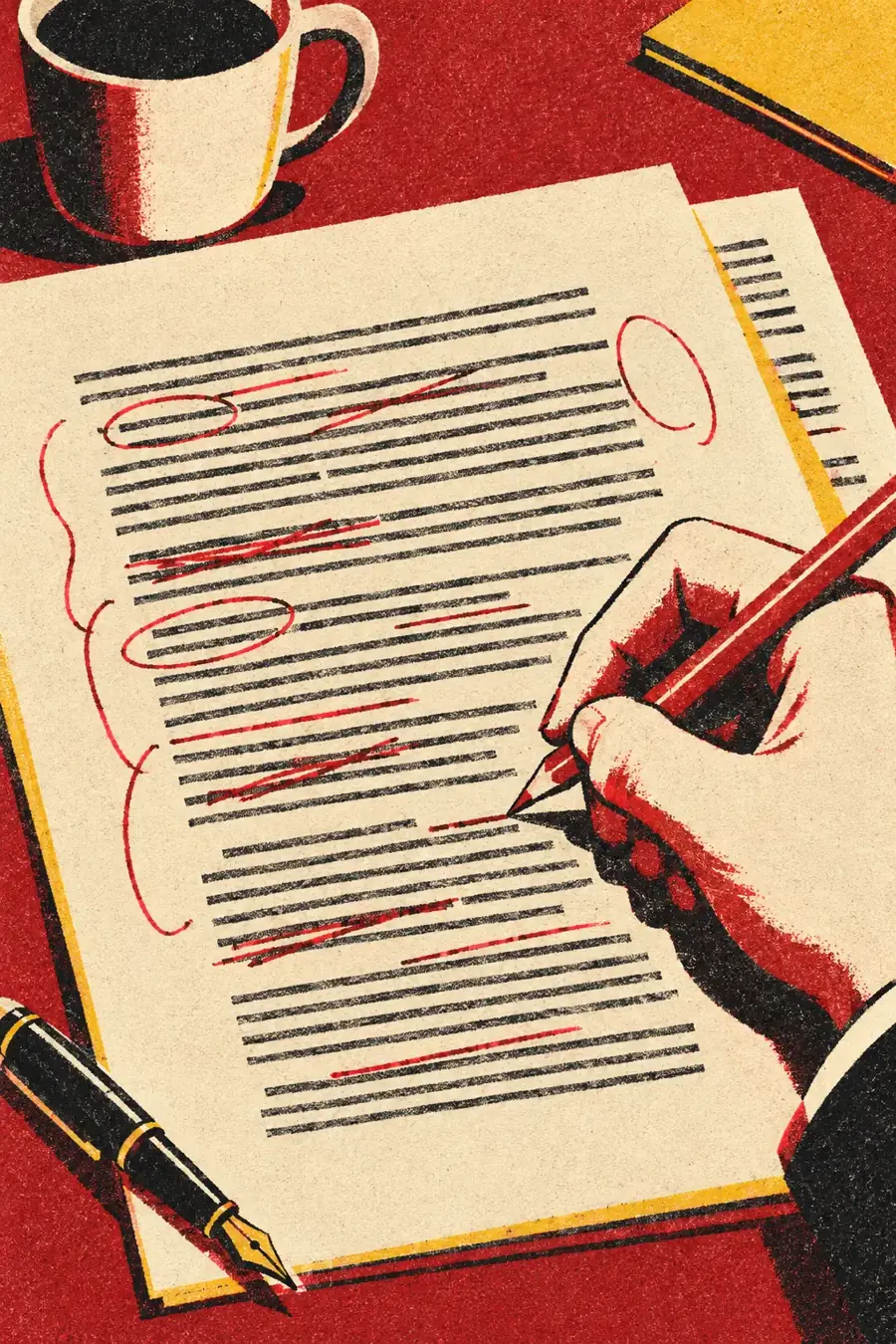

Illustration of a hand marking up a manuscript page with a red pencil

Mastering the craft

Structure, voice, and the revision passes that separate drafts from finished work

Sharpen the work
Illustration of library card-catalog drawers and folders of contracts

Resource library

Vetted tools, rate data, legal help, grants, and communities, all linked

Open the library

Know this before you sign anything

A written contract is not a formality. In some states it is the law.

New York State's Freelance Isn't Free Act requires a written contract for freelance work worth $800 or more (alone or combined over 120 days), payment by the contract date or within 30 days of finishing, and protection from retaliation when you ask for either. New York City has had a similar law since 2017, and other cities and states have followed.

Even where no law applies, the same four items belong in writing every time: what you will deliver, when, for how much, and who owns it afterward. Our contract red-flag list covers the clauses that quietly take more than they give.

Your contract rights, state by state

Tools built into the site

Do the math before the client does it for you.

Illustration of an invoice pad, adding machine, coins, and a calendar on a desk
  1. Rate calculator

    Start from the income you need, add your overhead, and divide by the hours you can realistically bill. Then convert to per-word, per-article, and per-day so you can answer any question an editor asks.

    Open the calculator
  2. Pitch checklist

    Twelve checks to run before you hit send: the right editor, a subject line that reads like a headline, a first sentence that proves the story exists, and the credentials that matter for this piece specifically.

    Run the checklist
  3. Draft analyzer

    Paste a draft and get sentence rhythm, adverb load, likely passive constructions, and filler phrases flagged in plain language. It runs entirely in your browser; nothing is uploaded.

    Analyze a draft
Illustration of six writers around a long table in a sunlit room, notebooks and laptops open

Freelancing is solitary. The career doesn't have to be.